

Custom Modular House in Tanzania: Modern Living Made Flexible
Building a home is a major decision, and today’s buyers want more than an attractive design. They are looking for comfortable layouts, practical features, manageable construction timelines, and flexibility to suit their lifestyles. A custom modular house in Tanzania offers an alternative to conventional construction by combining factory-built components with designs tailored to different needs.
Whether you are planning a family residence, a holiday property, or accommodation for guests, modular housing offers several possibilities worth exploring. From spacious double-wide layouts to compact glamping units, understanding the available options can help you choose a solution that works for your property and budget.
What Is a Custom Modular House?
A modular house is constructed using sections or modules manufactured away from the final building site. The finished modules are delivered to the site and put together based on the finalized plans.
A custom modular house in Tanzania can be planned around your preferred room arrangement, available land, and intended use. Depending on the manufacturer and building system, customization may include:
- Bedrooms and living areas suited to household needs
- Functional kitchens and modern bathrooms
- Built-in storage and flexible room layouts
- Window placement and natural lighting
- Insulation and ventilation options
- Exterior finishes and interior materials
- Space for home offices or guest rooms
The level of customization varies between suppliers. Discuss your requirements early so the design, manufacturing process, and installation plan reflect how you intend to use the home.
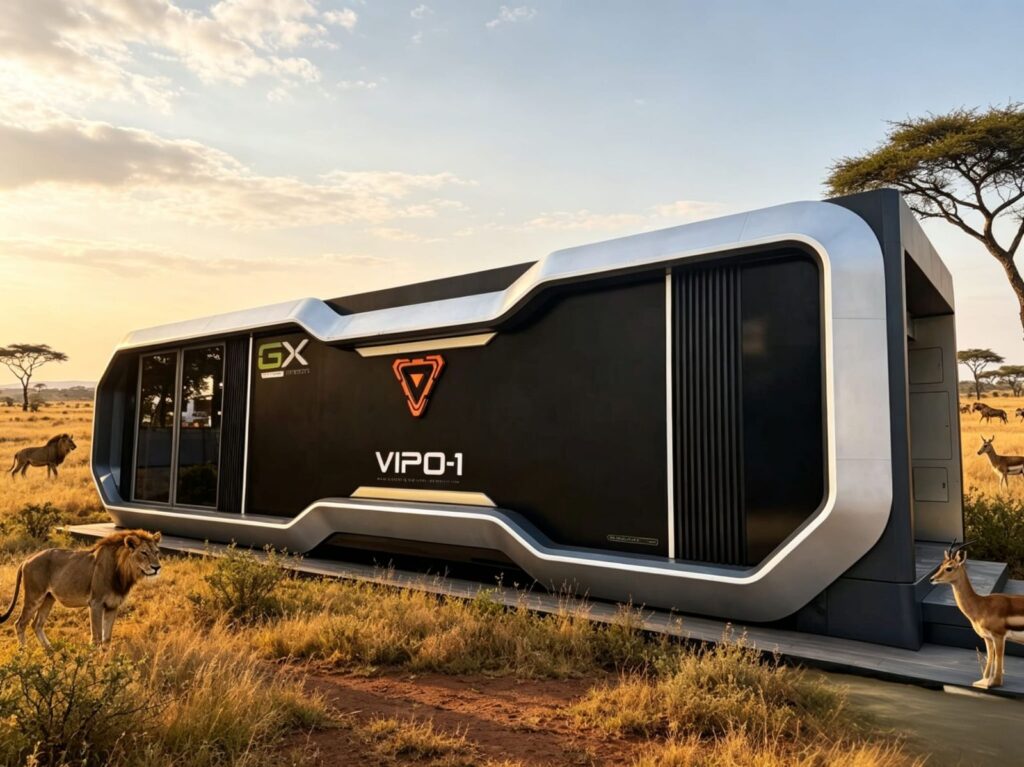
Why Consider Modular Housing in Tanzania?
Tanzania’s residential, commercial, and tourism settings create different requirements for building projects. A home designed for city living may have different requirements than a countryside residence or a holiday getaway.
A custom modular house in Tanzania can offer a structured way to plan these requirements before manufacturing begins. Since some construction activities take place in a factory, on-site work may be reduced, although the total project timeline still depends on site preparation, transport, assembly, utilities, and approvals.
Potential benefits include more predictable manufacturing processes, flexible floor plans, and opportunities to select finishes before installation.
Modular housing is not automatically cheaper or faster in every situation. Comparing the complete project scope with conventional construction will help you understand whether it suits your needs.
Double-Wide Mobile Homes for More Space
For buyers who want a wider interior without choosing a conventional building design, double-wide mobile homes in Tanzania may be worth considering.
These homes generally consist of two sections joined together at the installation site, creating more room for living areas, bedrooms, kitchens, and storage than many single-section units.
Depending on the model, features may include open-plan interiors, modern bathrooms, fitted kitchens, and optional upgrades. Their suitability depends on construction quality, transport requirements, intended use, and local regulations.
People researching double-wide mobile homes for sale in Tanzania should compare more than the advertised price. Check the materials, insulation, structural specifications, included fittings, warranty, and installation arrangements.
For families or property owners who need a larger layout, a custom modular house in Tanzania may also provide more flexibility in how rooms and shared spaces are arranged.
Modular Homes vs. Traditional Construction
Traditional construction allows considerable freedom in design and may be preferred when a project requires specialized architectural details or site-specific building methods. Modular housing takes a different approach by moving some construction activities into a factory environment.
With a custom modular house in Tanzania, components can be manufactured while other preparations take place at the site. This coordination may help streamline the process, but careful planning is still essential.
When comparing the two methods, consider:
Construction timeline: Factory production can overlap with site preparation, but delivery and assembly schedules must be coordinated.
Design flexibility: Modular homes can be customized, although some changes may be limited by the manufacturer’s system.
Quality control: Controlled manufacturing can support consistency, provided the manufacturer follows appropriate quality procedures.
Project costs: Compare the complete cost, including foundations, transportation, installation, utility connections, and approvals.
The right choice depends on the site, design, budget, and quality expectations rather than construction method alone.
Choosing a Modular Tiny Home Manufacturer in Tanzania
Not every project requires a full-sized family home. Smaller structures can be useful for guest accommodation, private retreats, rental properties, or additional space on an existing plot.
A modular tiny home manufacturer in Tanzania may offer compact units designed to make efficient use of limited floor space. Depending on the design, these homes may include a sleeping area, bathroom, kitchenette, storage, and a small living space.
Before selecting a modular tiny home manufacturer in Tanzania, consider the unit’s intended use. A tiny home used occasionally as a guest suite may have different requirements from one intended for permanent living.
Ask potential suppliers about construction materials, insulation, ventilation, plumbing, electrical systems, transport, installation, and after-sales service. Also check whether the unit can be delivered to your property and whether its dimensions suit the available access.
A carefully planned custom modular house in Tanzania can make better use of space while avoiding features that add cost without improving everyday comfort.
Glamping Capsules for Tourism and Hospitality
Tanzania’s natural attractions offer opportunities for accommodation concepts that combine outdoor experiences with modern conveniences. Resort developers and tourism operators can consider glamping units to create distinctive stays that offer more comfort than traditional tents.
A glamping capsule in Tanzania may feature a proper bed, enclosed interiors, large windows, lighting, bathroom facilities, and optional climate-control features, depending on the model.
These units can be considered for nature retreats, lodge properties, farm stays, and selected holiday accommodation projects. Their design should reflect the surroundings while providing guests with privacy, comfort, and practical amenities.
When evaluating a glamping capsule in Tanzania, look closely at ventilation, moisture protection, insulation, cleaning requirements, water supply, and wastewater management. These considerations are particularly important when planning accommodation in humid, coastal, or remote locations.
For developers planning several accommodation units, a custom modular house in Tanzania may also be worth comparing with capsule-style options to determine which format best suits the project’s size and purpose.
Designing for Tanzania's Climate and Location
A successful modular home should be designed for the conditions where it will be installed. Temperature, rainfall, humidity, wind exposure, and proximity to the coast can all affect material selection and long-term maintenance.
When planning a custom modular house in Tanzania, consider these practical features:
- Insulation: Suitable insulation can improve indoor comfort in different seasons.
- Ventilation: Thoughtful window placement and airflow can help reduce indoor heat and humidity.
- Moisture control: Suitable materials, effective drainage, and careful construction can help prevent moisture-related issues.
- Corrosion resistance: Coastal locations may require extra attention to metal components and exterior finishes.
- Roof and drainage design: These should suit local rainfall and site conditions.
A manufacturer should explain how its proposed building system responds to the property’s environment. Seek professional advice where necessary rather than assuming one design will suit every region.
Understanding the Total Project Cost
The price of a modular home depends on its size, design complexity, materials, finishes, manufacturing location, transport distance, and installation requirements.
When comparing double-wide mobile homes for sale in Tanzania, ask for a detailed quotation that clearly identifies what is included and excluded.
Your budget may need to cover:
- The main structure and standard fittings
- Custom design and optional upgrades
- Transportation and delivery
- Site preparation and foundations
- Assembly and installation
- Water, electrical, and drainage connections
- Professional fees and required approvals
- Maintenance and warranty coverage
The same approach applies when assessing a glamping capsule in Tanzania or a compact modular unit. A lower advertised price may not represent the final cost of a ready-to-use building.
Compare complete quotations and ask suppliers to explain any additional charges before making a decision.
EB Enterprise: Exploring Modern Prefabricated Housing Options
EB Enterprise offers prefabricated housing concepts for buyers exploring alternatives to conventional construction, including modular homes, compact capsule-style units, and accommodation designed for glamping and leisure applications. These options can suit different project needs, from private living spaces to guest accommodation and tourism developments. For anyone considering a custom modular house in Tanzania, reviewing available designs, construction specifications, customization options, and delivery arrangements can help clarify which solution is appropriate. Buyers should confirm product availability, transportation, installation requirements, and site suitability directly with the supplier before proceeding.
Planning and Installation: What Should You Check?
Even when a home is manufactured off-site, the property must be prepared for safe and suitable installation. Ground conditions, access, foundations, drainage, and utility connections should all be considered before production is finalized.
Before ordering a custom modular house in Tanzania, consult the relevant local authorities and qualified building professionals about planning consent, building permits, and applicable standards. Requirements can vary depending on the location, structure, and intended use.
It is also important to coordinate delivery and installation. Confirm that transport vehicles can reach the property and that there is enough space to position and assemble the modules.
Clear communication between the manufacturer, installer, and site team can help prevent avoidable delays and unexpected expenses.
Frequently Asked Questions (FAQs)
1. What is a custom modular house in Tanzania?
It is a home made from factory-produced sections that are transported to a property and assembled. Its layout, finishes, and selected features can be tailored to the buyer’s requirements, depending on the manufacturer.
2. Are double-wide mobile homes suitable for families?
They may be suitable for families seeking a wider interior with separate living and sleeping areas. Suitability depends on the model, construction quality, site conditions, and applicable local requirements.
3. Can modular tiny homes be used as permanent residences?
Some are designed for regular or permanent living, while others are intended for occasional stays. Buyers should check the unit’s facilities, insulation, ventilation, structural specifications, and local approval requirements.
4. What should I consider when choosing a glamping capsule?
Consider its layout, construction quality, ventilation, insulation, bathroom facilities, maintenance needs, and suitability for the local climate. Access to water, electricity, and wastewater management should also be planned.
5. How do I choose the right modular home supplier?
Compare the supplier’s experience, materials, customization options, delivery arrangements, installation support, warranty, and after-sales service. Request a detailed quotation and confirm local building requirements before ordering.