

Capsule House Factory In Philippines
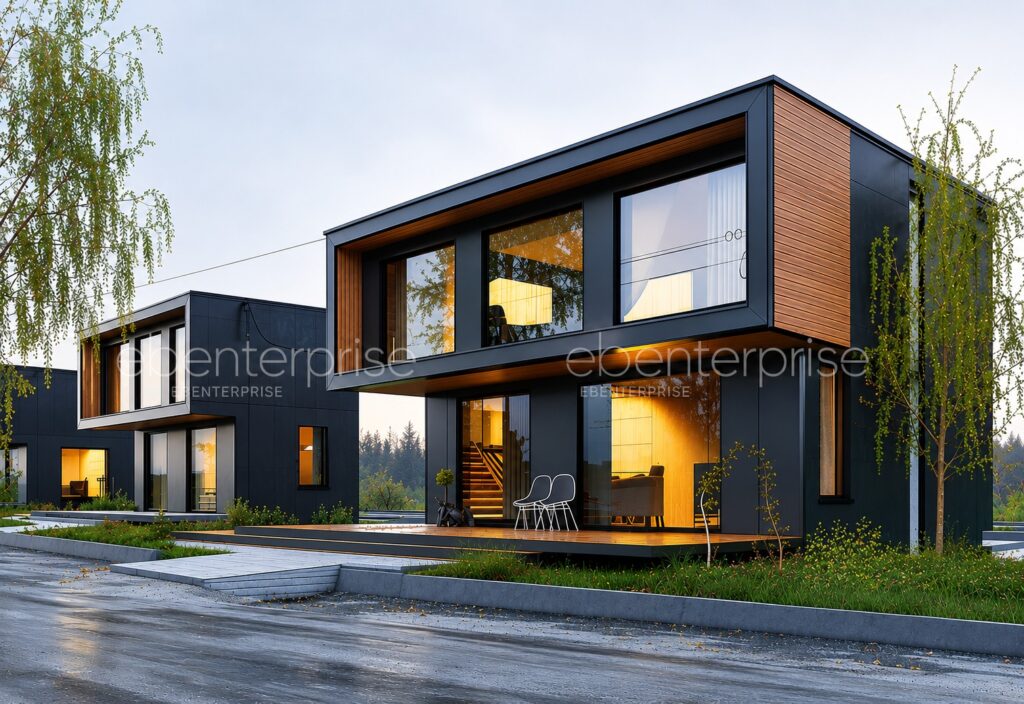
Capsule House Factory in Philippines: Exploring Modern Modular Living and Glamping Solutions The way people think about housing is changing. Across the Philippines, homeowners, property developers, and hospitality businesses are exploring innovative living spaces that combine comfort, efficient construction, and contemporary design. From compact vacation retreats to spacious prefabricated residences, alternative housing solutions offer exciting possibilities for different lifestyles and budgets. A capsule house factory in Philippines can play an important role in this transformation by providing factory-built accommodation and modular housing concepts designed for specific project requirements. But what makes capsule houses attractive? How do they compare with modular homes and double-wide mobile homes? And what should you consider before investing in one? Let’s explore how these modern housing options can fit residential, commercial, and tourism projects in the Philippines. What Is a Capsule House? A capsule house is a compact, prefabricated structure designed to use space efficiently while providing essential living or accommodation facilities. Depending on the design, it may include a bedroom, bathroom, kitchenette, storage, panoramic windows, and climate-control features. Unlike conventional construction, many capsule houses are manufactured in controlled factory environments before being transported to their final location. Working with a capsule house factory in Philippines can help buyers explore different designs, materials, layouts, and installation requirements based on their intended use. For example, a compact capsule might be suitable for a weekend retreat, while a larger model could be designed for a guest accommodation project. The key is selecting a design that balances comfort, functionality, and the practical requirements of the site. Why Are Capsule Houses Gaining Attention in the Philippines? The Philippines offers a diverse setting for modern housing and hospitality developments. From coastal destinations and mountain retreats to urban residential areas, property owners have different requirements depending on their location and intended use. A capsule house factory in Philippines can support projects that seek distinctive designs, efficient manufacturing, and flexible accommodation solutions. Capsule houses may appeal to buyers interested in: Vacation homes and private retreats Resort and tourism accommodation Guest houses Compact residential spaces Rental properties Glamping destinations Commercial hospitality projects However, choosing a capsule home requires more than appreciating its appearance. Buyers should also evaluate local building regulations, site access, weather resistance, insulation, utility connections, and installation requirements. Book Your Quote Now! Custom Modular Houses: Designed Around Your Lifestyle Not every homeowner wants a compact capsule. Some prefer a spacious residence with multiple bedrooms, a functional kitchen, and comfortable living areas. This is where a custom modular house in Philippines can provide an alternative. Modular homes are constructed in sections, typically within a manufacturing facility, and then assembled at the final location. The biggest advantage is design flexibility. Depending on the manufacturer, homeowners may be able to customize: Bedroom arrangements Kitchen and dining areas Bathroom layouts Interior finishes Windows and doors Storage solutions Outdoor spaces Electrical and plumbing configurations A custom modular house in Philippines can be planned for a family residence, vacation property, or investment project. The design should reflect the household’s needs rather than simply prioritizing appearance. For example, a family may need additional storage and private bedrooms, while a holiday property may benefit from open-plan living areas and outdoor entertainment space. Capsule Houses vs. Modular Houses: Which Is Right for You? Although capsule and modular homes both use prefabricated construction methods, they serve different purposes. A capsule house generally focuses on compact accommodation, efficient space utilization, and distinctive architecture. A modular house can offer greater flexibility in terms of size, room configuration, and long-term residential use. When comparing a capsule house factory in Philippines with modular housing manufacturers, consider the following factors. Space Requirements Capsule houses are often designed for compact living or accommodation. They may be ideal for individuals, couples, guest units, and hospitality projects. Modular houses can provide larger floor plans, making them potentially more suitable for families or buyers who require multiple rooms. Customization Some capsule models have predefined layouts, while others offer customization options. Modular houses may provide more flexibility for expanding or adapting residential layouts. Intended Use A capsule could work well for a holiday retreat or glamping project. A modular home may be more appropriate for a permanent residence, depending on its design and regulatory classification. Budget Planning The cost of either option depends on size, materials, specifications, transportation, installation, site preparation, and additional services. Buyers should request a detailed project quotation rather than relying only on the base unit price. Understanding Double Wide Mobile Homes in the Philippines Another option worth exploring is double-wide mobile homes in Philippines. These homes are typically manufactured in larger sections that are transported and joined together at the destination. Their wider configuration can provide more interior space than many compact housing units, making them appealing to buyers who want a larger prefabricated living environment. For people researching double-wide mobile homes for sale in Philippines, it is important to understand the product’s construction method and regulatory requirements. Before purchasing, consider: Overall dimensions Structural specifications Transport arrangements Site access Foundation requirements Insulation and ventilation Electrical and plumbing systems Installation support Warranty terms Availability and classification can vary, so buyers should verify the manufacturer’s documentation and applicable local requirements. Are Double Wide Mobile Homes Suitable for Family Living? Families often need more than a compact sleeping space. They may require separate bedrooms, a larger kitchen, comfortable common areas, and storage for everyday belongings. Depending on their configuration, double-wide mobile homes in Philippines may offer a practical approach to spacious prefabricated accommodation. However, the suitability of a particular model depends on its design, construction quality, site conditions, and compliance with relevant standards. When comparing double-wide mobile homes for sale in Philippines, don’t focus solely on floor area. Think about how the home will be used daily. For instance, a family with children may prioritize bedroom separation and study space. A couple may prefer an open-plan layout with a larger living area. A holiday property may need additional outdoor space for entertaining guests. The best floor plan is one that
Manufacturer In Saudi Arabia
Modular House Factory in Saudi Arabia: A Modern Approach to Flexible Living Saudi Arabia’s housing and hospitality landscape is evolving. As new residential communities, tourism destinations, private retreats, and commercial developments emerge across the Kingdom, there is growing interest in construction solutions that combine modern design with practical planning. This is where a modular house factory in Saudi Arabia offers an attractive alternative to conventional on-site construction. Instead of building every component from the ground up at the property, modular structures are manufactured in sections in a controlled environment and then transported for installation. For homeowners, developers, and hospitality operators, this approach can open the door to flexible layouts, contemporary designs, and efficient project planning. From full-size family residences to compact tourism units, modular construction can be adapted to a wide variety of applications. But is modular housing right for your project? Let’s take a closer look. What Is a Modular House? A modular house is a structure manufactured in individual sections or modules before being transported to the final site. Once delivered, the sections are positioned, connected, and completed according to the project’s specifications. The concept sounds simple, but modern modular construction can be surprisingly sophisticated. Depending on the manufacturer, modules can incorporate bedrooms, kitchens, bathrooms, living areas, electrical systems, plumbing, insulation, windows, and interior finishes. Working with a modular house factory in Saudi Arabia allows buyers to explore designs that are produced with greater consistency in a controlled manufacturing environment. Unlike a temporary-looking structure, a well-designed modular home can have a contemporary architectural appearance and a comfortable interior. The final result depends on the materials, engineering, design, installation, and site requirements selected for the project. Why Consider Modular Housing in Saudi Arabia? Saudi Arabia has a diverse geography and rapidly developing real estate and tourism sectors. A housing solution that works well in an urban neighborhood may not necessarily be ideal for a desert retreat or hospitality development. A modular house factory in Saudi Arabia can provide flexibility for projects with different sizes, locations, and intended uses. Modular structures may be considered for: Family residences Guest houses Vacation properties Staff accommodation Resort developments Tourism projects Private retreats Temporary or project-based accommodation The factory-based process can also reduce the amount of construction activity required directly at the property. However, buyers should remember that site preparation, foundations, transportation, utility connections, permits, and installation can still be important parts of the overall project. Book Your Quote Now! Modular Homes vs. Traditional Construction Traditional construction remains a popular choice because it offers extensive design possibilities and established building processes. So why consider modular construction? One potential advantage is the controlled manufacturing environment. Components are produced according to predefined specifications before reaching the site, which can help with consistency and project coordination. A modular house factory in Saudi Arabia may also offer a range of pre-designed layouts that can be modified according to the customer’s requirements. However, modular does not automatically mean faster, cheaper, or easier in every situation. The final timeline and cost can depend on the complexity of the design, transportation distance, site conditions, foundation requirements, and local approvals. The best approach is to compare the complete project scope rather than looking only at the factory price. Exploring Prefabricated Housing Options Modular and prefab housing are often discussed together, although the terminology can vary between manufacturers and markets. A prefab house manufacturer in Saudi Arabia may offer different types of factory-built structures, including modular homes, compact accommodation units, cabins, and other prefabricated buildings. When comparing manufacturers, ask about: Structural materials Insulation specifications Waterproofing Electrical and plumbing systems Interior finishes Windows and doors Transportation Installation Warranty and after-sales support These details can have a significant impact on the finished property. The Appeal of a Space Capsule House Not every project needs a large conventional residence. For tourism businesses, private retreats, and landowners looking for a distinctive accommodation concept, a space capsule house in Saudi Arabia can provide a completely different experience. Capsule houses typically use compact floor plans and distinctive architectural forms. Large windows and carefully planned interiors can create a stronger connection between the occupant and the surrounding environment. Imagine a private unit overlooking a desert landscape, mountain scenery, or a resort property. Instead of simply providing accommodation, the structure itself becomes part of the guest experience. A space capsule house in Saudi Arabia can potentially be used for: Desert retreats Luxury tourism Resort accommodation Private weekend properties Guest units Nature-focused hospitality The exact suitability depends on the site, local requirements, utilities, and the specifications of the chosen unit. Glamping and the Rise of Experience-Based Accommodation Tourism is not just about providing somewhere to sleep. Travelers increasingly look for memorable experiences, distinctive surroundings, and accommodation that feels different from a standard hotel. This creates opportunities for capsule-style hospitality. A custom glamping capsule manufacturer in Saudi Arabia can help hospitality businesses explore accommodation concepts designed around specific landscapes and guest expectations. For a desert project, panoramic windows and shaded outdoor areas may be important. A mountain retreat may require greater attention to insulation and temperature management. A resort property may focus more heavily on premium interiors and private outdoor spaces. The advantage of working with a custom glamping capsule manufacturer in Saudi Arabia is that the accommodation can potentially be designed around the project rather than forcing the project to fit a standard structure. Why Customization Matters One of the biggest misconceptions about prefabricated housing is that buyers have to choose from a limited catalogue. In reality, customization can be an important part of modern modular construction. A modular house factory in Saudi Arabia may offer options for modifying room layouts, finishes, windows, bathrooms, kitchens, storage, and other features. For example, a family residence might include: Three or four bedrooms A spacious living room Separate kitchen Multiple bathrooms Dedicated storage Outdoor seating A holiday property might instead prioritize: Large windows Open-plan interiors Outdoor decks Compact kitchens Premium bathrooms Scenic views The right design begins with understanding how the building will actually
Custom Modular House In Saudi Arabia
Custom Modular House in Saudi Arabia: A Smarter Approach to Modern Living Saudi Arabia’s housing landscape is changing quickly. From expanding cities and ambitious developments to desert retreats and hospitality projects, people are looking for homes that offer comfort without the long timelines and limitations often associated with conventional construction. This is where a custom modular house in Saudi Arabia can offer an appealing alternative. Unlike a one-size-fits-all prefab structure, modular housing can be designed around how people actually live. You can think about the number of bedrooms, living spaces, bathrooms, storage areas, finishes, and even how the home responds to the local climate. Whether you need a permanent residence, a private retreat, a guest property, or a hospitality unit, modular construction provides room for creative possibilities. What Is a Custom Modular House? A modular house is constructed in sections, or modules, in a controlled manufacturing environment before being transported to the desired location for installation. The process can improve consistency, reduce some on-site construction work, and make project planning more predictable. The word custom is particularly important. A custom modular house in Saudi Arabia can be developed around the homeowner’s specific requirements instead of forcing the homeowner to adapt to a fixed floor plan. For example, a family may want an open-plan kitchen and living area, while another buyer may prioritize private bedrooms and generous storage. A desert retreat might need large shaded outdoor areas, while a city residence may focus on compact and efficient interiors. Why Are Modular Homes Becoming Interesting in Saudi Arabia? Saudi Arabia presents unique opportunities for modular construction. The country includes dense urban areas, coastal regions, desert environments, and rapidly developing destinations. That means housing requirements can vary dramatically from one project to another. A custom modular house in Saudi Arabia allows designers and homeowners to consider factors such as climate, site conditions, available space, intended use, and aesthetic preferences during the planning stage. Modular construction can also be attractive when project schedules matter. Since much of the manufacturing work takes place away from the final site, several processes can be coordinated more efficiently than with entirely site-built construction. Of course, buyers should still investigate local planning requirements, foundations, utilities, transportation access, and applicable building regulations before committing to a project. Book Your Quote Now! Customization: The Biggest Advantage One of the biggest reasons people consider a custom modular house in Saudi Arabia is the ability to personalize the living experience. Customization can involve: Number and arrangement of bedrooms Kitchen configuration Bathroom layouts Window placement Interior finishes Flooring and wall treatments Storage solutions Outdoor living areas Energy-efficient features Smart-home technology Rather than simply choosing a house from a catalogue, homeowners can discuss how they intend to use the property and develop a layout around those priorities. This makes modular housing particularly interesting for people who want something modern but still personal. Double Wide Mobile Homes vs. Modular Housing Another housing option attracting attention is double-wide mobile homes in Saudi Arabia. These homes are typically produced in larger sections and joined together at the destination, providing considerably more interior space than many compact mobile units. For buyers comparing double-wide mobile homes for sale in Saudi Arabia, the key consideration should not be appearance alone. Buyers should examine construction specifications, insulation, materials, transportation requirements, installation, utility connections, and local regulations. A modular home and a double-wide mobile home may look similar from the outside, but their construction methods, classifications, intended applications, and regulatory requirements can differ. Understanding these distinctions before purchasing can prevent unpleasant surprises later. For someone seeking a more tailored residence, a custom modular house in Saudi Arabia may offer greater flexibility in design and configuration. When Luxury Meets Modular Design Modular does not have to mean basic. Today, homeowners can incorporate sophisticated interiors, premium finishes, spacious bedrooms, modern kitchens, elegant bathrooms, expansive windows, and outdoor entertainment areas into modular designs. This is where luxury double-wide mobile homes in Saudi Arabia can appeal to buyers who want generous space while maintaining the advantages of prefabricated construction. Depending on the design and manufacturer, these homes can be configured to create an upscale residential atmosphere rather than a temporary-looking structure. Similarly, a custom modular house in Saudi Arabia can be designed with a high-end aesthetic, combining contemporary architecture with materials and features selected specifically for the project. Glamping Capsules: A Different Kind of Retreat Not everyone is searching for a full-size family residence. Saudi Arabia’s landscapes also create exciting possibilities for tourism, weekend retreats, and outdoor hospitality. A glamping capsule in Saudi Arabia offers a compact accommodation concept that combines the feeling of being close to nature with the comfort of a thoughtfully designed indoor space. Imagine waking up to a desert sunrise, enjoying panoramic views through large windows, and having comfortable sleeping and bathroom facilities without sacrificing the outdoor experience. This type of accommodation can be particularly attractive for resorts, private retreats, and hospitality operators. For hospitality businesses, modular and capsule concepts can also make it easier to create distinctive accommodation experiences without relying exclusively on conventional hotel structures. Choosing the Right Home for Your Lifestyle There is no universal answer when choosing between a custom modular house in Saudi Arabia, a mobile home, or a compact capsule. Start with your intended use. For permanent family living: A customized modular home may offer the space, privacy, and personalization required for everyday life. For spacious temporary or relocatable accommodation: Double-wide mobile homes in Saudi Arabia may be worth exploring, particularly when generous interior space is a priority. For premium mobile-style living: Luxury double-wide mobile homes in Saudi Arabia can provide a combination of space, comfort, and contemporary design. For tourism and outdoor experiences: A glamping capsule in Saudi Arabia may be a better fit for creating memorable accommodation in scenic environments. The right choice depends on more than square footage. Think about how long you plan to use the property, where it will be located, who will occupy it, and how much customization you need.
Modular House Factory in Philippines: Why More Developers Are Importing From China
Modular House Factory in Philippines: Why More Developers Are Importing From China Why are so many Filipino developers, hotel owners, and landowners suddenly looking outside the country for housing solutions? The answer is simple. Local construction can’t keep up. The Philippines is short by millions of housing units, and traditional building methods are too slow, too expensive, and too dependent on skilled labor that’s already stretched thin. Government data puts the national housing backlog well into the millions, and even optimistic production targets fall short of yearly demand. For developers, hoteliers, and business owners, this gap isn’t just a social problem — it’s a business opportunity, provided you can build fast enough and cheap enough to make it work. This is exactly where a modular house factory in Philippines supply chains — most of it now sourced from China — comes in. This article breaks down what modular housing actually is, why the Philippine market needs it right now, why sourcing from a Chinese manufacturer makes financial and practical sense, and why ebenterprise has become a name developers trust when they’re comparing suppliers What Is Modular Housing, and Why Is It Different? Modular housing is built the same way a car or a phone is built: in a factory, under controlled conditions, then shipped out and assembled on site. Instead of pouring concrete and stacking bricks for months on an open construction site, most of the structure — walls, roofing, insulation, wiring, plumbing — is completed inside the factory. What arrives on site is a nearly finished unit that only needs final assembly and utility connections. This is different from a prefab kit that still needs weeks of on-site labor. A true modular unit from a factory line can be installed in days, not months. For a country facing a housing shortage as large as the Philippines’, that speed matters. It’s also why terms like prefab house manufacturer in Philippines and modular house factory in Philippines are searched together — buyers are looking for the same outcome: a finished home, delivered fast, without the delays of conventional construction. Why the Philippines Needs Modular and Prefab Housing Now The numbers tell the story better than any sales pitch could. Annual household formation in the Philippines runs far ahead of annual housing production. Economists have pointed out that the country adds hundreds of thousands of new households every year, while formal housing completions consistently fall short of that figure. The result is a backlog that keeps compounding, year after year. At the same time, construction costs have been climbing steadily, and skilled labor — masons, electricians, welders — is harder to find and retain on traditional job sites. Developers who once relied on conventional builds are now facing longer timelines and thinner margins. This combination — rising demand, rising costs, and a shrinking skilled workforce — is exactly the environment where modular construction performs best. A factory-built unit doesn’t depend on local weather delays, doesn’t need a large crew on-site for months, and doesn’t carry the same cost overruns that plague traditional projects. It’s also why demand has grown for smaller, faster housing formats. Tiny mobile homes in Philippines are increasingly used for workforce housing near construction and mining sites, for tourism resorts along the coast, and for landowners who want to generate rental income without committing to a full residential development. Mobile home manufacturers in Philippines partnerships with overseas factories have made this format far more accessible than it was even five years ago. Book Your Quote Now! Why Importing From China Makes Business Sense For many Filipino buyers, the first instinct is to look for a local prefab supplier. That’s a reasonable starting point — but it usually doesn’t hold up once you compare capacity, cost, and consistency. Here’s why sourcing from an established Chinese modular manufacturer is usually the smarter business decision: Manufacturing scale. China’s modular and steel-structure industry has spent two decades building out factory capacity most other countries simply don’t have yet. That scale translates directly into shorter lead times and more predictable pricing. Cost efficiency without cutting corners. Raw material sourcing, factory automation, and high production volumes bring per-unit costs down. A developer building 20 units gets a very different price curve from a factory than from a local contractor quoting one project at a time. Proven export experience. Reputable Chinese manufacturers already handle container shipping, customs documentation, and installation guidance for overseas buyers. This matters more than it sounds — a factory that has shipped to Southeast Asia before understands humidity, typhoon-resistance requirements, and local building codes far better than a first-time exporter. Design flexibility. Chinese factories increasingly offer a wide product range — from steel-frame houses to container homes to the space capsule house in Philippines, and tiny house in Philippines formats — under one manufacturer, so buyers aren’t stitching together multiple suppliers for one project. Faster delivery timelines. Container-based and flat-pack modular units can be produced and shipped in weeks, not the months a custom local build typically requires. None of this means every Chinese supplier is a safe bet. It means the category of supplier — an established factory with export experience — is structurally better positioned to serve Philippine demand than most local alternatives currently are. The real work is in choosing the right factory. The Products Driving This Demand Search interest and buyer inquiries in the Philippines tend to cluster around a few specific product types. Understanding them helps clarify what “modular housing” actually covers. Prefab houses are the broadest category — factory-built residential units, often steel-framed, designed for permanent or semi-permanent use. This is the segment most developers researching a prefab house manufacturer in Philippines are evaluating first. Space capsule houses are a compact, design-forward format that has become popular for boutique resorts, glamping sites, and Airbnb-style tourism projects. A space capsule house in Philippines setting works particularly well along coastal and mountain tourism corridors, where guests want a distinctive stay without the capital cost of a full
EB Enterprise Strengthens Quality, Safety & Sustainability With Three Key ISO Certifications
EB Enterprise Strengthens Quality, Safety & Sustainability With Three Key ISO Certifications The future of modular construction is not only about innovative designs and faster building solutions. It is also about quality, responsible manufacturing, workplace safety, and continuous improvement. For customers considering a capsule house, modular house, or other prefabricated structure, choosing the right manufacturer is an important decision. Beyond appearance and specifications, buyers want confidence that the company behind the product follows reliable processes and takes quality seriously. EB Enterprise, also known as DWC Shenzhen Technology Company Ltd, has achieved three key international management certifications: ISO 9001, ISO 14001, and ISO 45001. These certifications represent an important milestone for the company and reinforce its commitment to maintaining strong management standards across quality, environmental responsibility, and occupational health and safety. For EB Enterprise, the achievement is not simply about obtaining certifications. It reflects an ongoing commitment to improving manufacturing practices and strengthening its position as a reliable capsule house and modular house supplier for customers around the world. Three ISO Certifications, Three Important Areas of Commitment EB Enterprise’s latest achievement covers three internationally recognized management standards, each addressing a different aspect of responsible business operations. ISO 9001 — Quality Management System ISO 9001 focuses on quality management and provides a structured framework for organizations to establish, monitor, and continually improve their processes. For a capsule house or modular house manufacturer, quality management is particularly important because production involves multiple stages, from material preparation and manufacturing to assembly, inspection, finishing, and delivery. A structured quality management approach helps support consistency and encourages businesses to identify areas where processes can be improved. For EB Enterprise, ISO 9001 reinforces the company’s focus on stable manufacturing processes, quality control, and continuous improvement. ISO 14001 — Environmental Management System ISO 14001 focuses on environmental management. As the construction industry continues to explore more efficient and responsible building methods, environmental considerations have become increasingly important for manufacturers, developers, and customers. ISO 14001 provides a framework for organizations to manage their environmental responsibilities in a more structured way. For EB Enterprise, achieving ISO 14001 adds an important sustainability component to its overall management approach and reflects its commitment to responsible production in the modular housing industry. ISO 45001 — Occupational Health and Safety Management System ISO 45001 focuses on occupational health and safety management. Manufacturing facilities involve people, machinery, materials, equipment, and multiple production activities. A systematic approach to workplace health and safety is therefore an important part of responsible manufacturing. By achieving ISO 45001, EB Enterprise demonstrates its commitment to maintaining a structured approach to occupational health and safety alongside its quality and environmental management practices. ISO 9001 focuses on quality management and provides a structured framework for organizations to establish, monitor, and continually improve their processes. For a capsule house or modular house manufacturer, quality management is particularly important because production involves multiple stages, from material preparation and manufacturing to assembly, inspection, finishing, and delivery. A structured quality management approach helps support consistency and encourages businesses to identify areas where processes can be improved. For EB Enterprise, ISO 9001 reinforces the company’s focus on stable manufacturing processes, quality control, and continuous improvement. ISO 14001 focuses on environmental management. As the construction industry continues to explore more efficient and responsible building methods, environmental considerations have become increasingly important for manufacturers, developers, and customers. ISO 14001 provides a framework for organizations to manage their environmental responsibilities in a more structured way. For EB Enterprise, achieving ISO 14001 adds an important sustainability component to its overall management approach and reflects its commitment to responsible production in the modular housing industry. ISO 45001 focuses on occupational health and safety management. Manufacturing facilities involve people, machinery, materials, equipment, and multiple production activities. A systematic approach to workplace health and safety is therefore an important part of responsible manufacturing. By achieving ISO 45001, EB Enterprise demonstrates its commitment to maintaining a structured approach to occupational health and safety alongside its quality and environmental management practices. What These Certifications Mean for Capsule House & Modular House Customers Each certification addresses a different area: ISO 9001: Quality management ISO 14001: Environmental management ISO 45001: Occupational health and safety Together, they create a broader management framework covering three important aspects of modern manufacturing. For customers, this provides additional insight into how EB Enterprise approaches its operations. This can be especially valuable for international buyers who may be purchasing a capsule house or modular house from overseas and may not have the opportunity to personally monitor every stage of manufacturing. While certifications do not replace product specifications, inspections, contractual requirements, or customer due diligence, they can provide an additional point of confidence when evaluating a manufacturing partner. Quality Management at the Heart of Manufacturing A quality product starts with a quality-focused process. The manufacturing of a modular structure can involve numerous stages, including structural production, assembly, installation of internal systems, interior finishing, inspection, packaging, and transportation. Maintaining consistency across these stages is essential. ISO 9001 supports a systematic approach to quality management by encouraging organizations to monitor processes, identify potential improvements, address issues, and continually refine their operations. For EB Enterprise, this approach aligns with its goal of maintaining stable manufacturing processes and strong quality control across its capsule house and modular house production. Rather than viewing quality as something that should only be checked when a product is finished, the focus is on incorporating quality management throughout the production process. Why Manufacturing Standards Matter for International Buyers Sustainability is becoming an increasingly important consideration across the construction and hospitality industries. Developers are looking for building solutions that can offer practical performance while supporting more responsible approaches to construction and manufacturing. ISO 14001 adds an environmental management perspective to EB Enterprise’s broader quality framework. The standard focuses on how organizations manage their environmental responsibilities and continually improve their environmental management practices. For EB Enterprise, this certification supports its commitment to responsible production as it continues developing modular housing solutions for international customers.
Prefabricated Housing Manufacturer in Jordan – ebenterprise Luxury Double Wide Mobile Homes
Prefabricated Housing Manufacturer in Jordan – ebenterprise Luxury Double Wide Mobile Homes Why are more families and investors choosing factory-built homes over traditional construction? Traditional building in Jordan can take months, cost more than planned, and leave you at the mercy of weather delays and site problems. This is exactly why ebenterprise exists. As a trusted prefabricated housing manufacturer in Jordan, ebenterprise gives homeowners, hotel owners, and land developers a faster, cleaner, and more predictable way to build luxury double wide mobile homes without the stress of a normal construction site. ebenterprise was created to solve a simple problem: people want a beautiful, high-quality home, but they don’t want to wait a year or deal with endless site issues to get it. By building homes in a controlled factory setting and then delivering them ready to install, ebenterprise removes most of the delays, cost surprises, and quality risks that come with normal on-site building. Whether you need a private villa, a glamping site, or a small guest house, ebenterprise brings modern design and solid engineering together in one simple package. Design Your Dream Space Modular House Factory in Jordan At the heart of ebenterprise is a modern modular house factory in Jordan where every home is built with precision. Instead of pouring concrete and stacking bricks on an open site, our team builds each unit indoors, section by section, using steel frames, insulated panels, and quality-checked materials. This factory-first approach means less exposure to dust, rain, and temperature swings during construction, which keeps the final product stronger and more consistent. Working from a dedicated factory also means better control over timelines. Since the ebenterprise team is not waiting on weather or juggling multiple outdoor trades at once, homes move through production in clear, trackable stages. Customers can visit the factory, see their home taking shape, and understand exactly where their project stands at any point. Prefab House Manufacturer in Jordan You Can Rely On Choosing the right prefab house manufacturer in Jordan matters just as much as choosing the right design. A home is only as good as the people who build it, and ebenterprise has built its name on careful engineering, honest pricing, and homes that actually match what was promised in the design stage. Every home from ebenterprise is designed to handle local weather, from hot summers to cool winter nights, using proper insulation and durable exterior materials. Structures are engineered for long-term strength, not just quick assembly. Because homes are prefabricated, on-site work is mostly limited to placement, leveling, and connecting utilities, which keeps installation time short and disruption low for the surrounding property. Space Capsule House in Jordan: A New Way to Live Small For people who want something different from a standard house shape, ebenterprise also offers a space capsule house in Jordan. These rounded, futuristic units are compact, efficient, and visually striking, making them a popular choice for modern getaways, backyard studios, or standalone guest rooms. A space capsule house uses less material than a full-size home while still offering comfortable living space, air conditioning, insulation, and a private bathroom. These capsule homes are especially popular with landowners near nature spots, deserts, and hillside areas, since the compact footprint makes it easy to place them without heavy earthwork. Many customers use a single unit as a personal retreat, or order several units together to create a small cluster of private capsule rooms. Custom Glamping Capsule Manufacturer in Jordan Tourism and outdoor hospitality are growing steadily, and ebenterprise supports this trend as a custom glamping capsule manufacturer in Jordan. Glamping capsules combine the comfort of a hotel room with the open, natural feeling of camping, which makes them ideal for desert camps, mountain retreats, and eco-tourism projects. Each glamping capsule from ebenterprise can be customized in size, window layout, interior finish, and furniture setup, so business owners can match the unit to their brand and location. Units are built with proper insulation and ventilation, so guests stay comfortable whether it’s a hot afternoon or a cold desert night. Because the capsules are prefabricated, a glamping site with multiple units can be set up in a fraction of the time it would take to build the same number of rooms using traditional construction. Tiny House Construction Company in Jordan for Simple, Smart Living Not everyone needs a large home, and ebenterprise understands that. As a tiny house construction company in Jordan, we design compact homes that make smart use of every square meter. Tiny houses are a strong option for young families starting out, retirees who want a simpler lifestyle, or landowners who want a low-cost rental unit on their property. Despite the smaller size, ebenterprise tiny houses are not stripped-down or basic. They include full kitchens, bathrooms, proper insulation, and quality flooring and fittings, just arranged more efficiently. Customers can choose from ready layouts or work with the ebenterprise team to design a tiny home that fits their exact needs and land size. Build with EB Enterprise Modern Prefab House Manufacturer in Jordan for Every Project Size Beyond capsules and tiny houses, ebenterprise also operates as a modern prefab house manufacturer, offering full-size luxury double wide mobile homes for families who want more space without giving up speed or quality. These larger homes include multiple bedrooms, spacious living areas, modern kitchens, and premium finishes, all built using the same factory-first process that keeps timelines short and quality consistent. Design options range from clean, minimal exteriors to warmer, more traditional looks, so each home can match the personality of its owner and the character of its surroundings. Interiors are finished with attention to detail, including quality flooring, cabinetry, lighting, and bathroom fittings, so the home feels complete and polished from day one. Why ebenterprise Is the Right Choice Choosing a builder is a long-term decision, and ebenterprise makes that decision easier by combining factory precision with honest communication. From the first design conversation to final installation, customers work directly with a team that explains material
Modular House Factory in Saudi Arabia: Why More Developers Are Turning to China for Fast, Reliable Housing
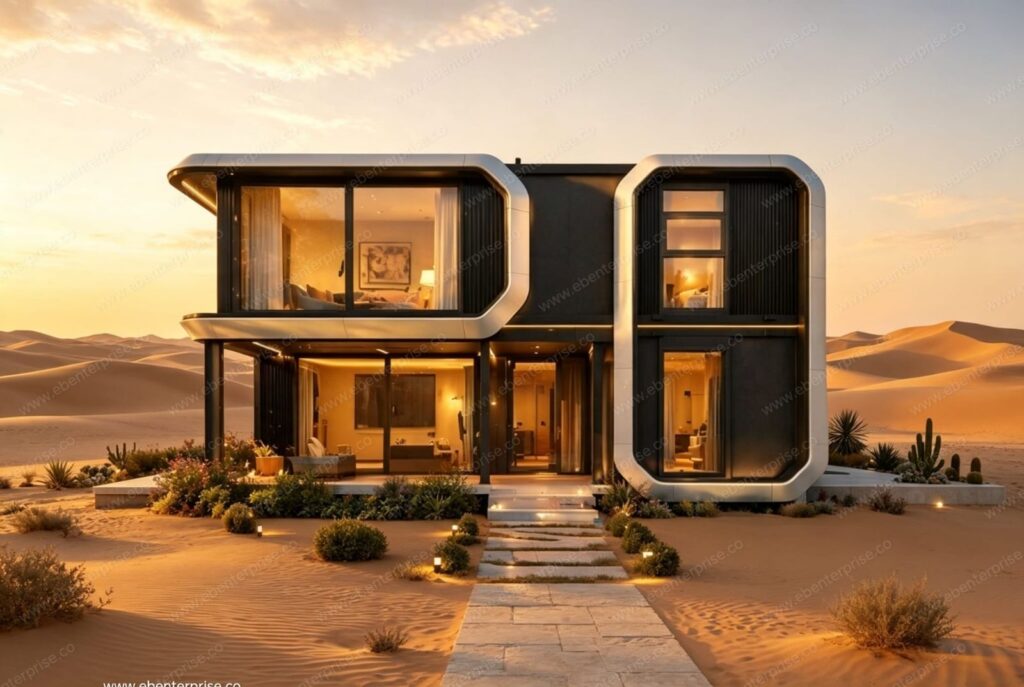
Modular House Factory in Saudi Arabia: Why More Developers Are Turning to China for Fast, Reliable Housing What do you do when your project timeline is fixed, your labor pool is stretched thin, and traditional construction simply can’t keep pace? This is the question facing developers, contractors, and facility managers across the Kingdom right now. Sites are opening faster than skilled crews can be trained. Housing is needed before the concrete can even cure. And every month of delay costs real money. This is exactly why the search for a dependable modular house factory in Saudi Arabia has grown so fast over the last few years. Developers aren’t just looking for a supplier anymore — they’re looking for a manufacturing partner who understands scale, speed, and long-term reliability. Saudi Arabia’s construction sector is going through one of the biggest transformations in its history. Vision 2030 has pushed cities, giga-projects, and housing programs to move faster than conventional building methods allow. That single shift explains why factory-built housing has moved from a “nice option” to a practical necessity for so many businesses. This article breaks down what modular housing actually is, why the Kingdom needs it, why importing from China has become the smart business decision, and why EB Enterprise has earned the trust of developers across the region. What a Modular House Factory Actually Does A modular house factory builds complete housing units — or large sections of a building — inside a controlled factory environment. Walls, wiring, plumbing, insulation, and finishing are done indoors, under consistent quality checks. The finished modules are then shipped to the site and assembled, sometimes within days. This is different from ordering a few prefab panels. A true factory production line manages the entire unit: structure, interior, electrical, and exterior cladding, all built to a repeatable standard. For a country managing multiple giga-projects at once — from new economic cities to large residential communities — this kind of predictable, factory-grade output solves a real bottleneck. Traditional on-site construction depends heavily on weather, labor availability, and material delivery schedules. Factory production removes most of that uncertainty. Why Saudi Arabia Needs This Solution Right Now The Kingdom’s housing targets are enormous. Government programs are working to raise homeownership significantly by the end of the decade, which means hundreds of thousands of new housing units need to be built in a relatively short window. At the same time, giga-projects and new economic zones need workforce housing almost immediately — long before permanent residential neighborhoods are ready. Labor camps, site offices, and temporary staff accommodation all need to appear fast, without compromising safety or comfort. Add to this the Kingdom’s harsh climate, tight skilled-labor supply, and ambitious project deadlines tied to major international events, and it becomes clear why a prefab house manufacturer in Saudi Arabia is no longer a backup plan — it’s part of the core project strategy for many contractors. Modular construction directly answers three pressing needs: Speed — units can be produced in parallel with site preparation, instead of waiting for foundations to finish first. Consistency — factory conditions remove weather delays and reduce human error. Cost control — bulk manufacturing and standardized designs bring predictable pricing, which matters enormously on large developments. This is also why EB Enterprise plays a growing role for teams working in Saudi Arabia. Many project managers simply don’t have the internal capacity to manage scattered local suppliers for every housing phase, so they look for one manufacturing partner who can deliver consistent quality across an entire project, shipment after shipment. Space Capsule Houses: A Compact Answer to Fast Deployment One trend gaining real traction is the space capsule house in Saudi Arabia. These are compact, self-contained living units — insulated, furnished, and ready to connect to power and water almost as soon as they arrive on-site. Capsule housing works well for a simple reason: it doesn’t need a traditional foundation or long assembly process. A crane places the unit, technicians connect utilities, and it’s ready for occupancy. For remote desert sites, tourism destinations, or fast-moving giga-project zones, this kind of speed is hard to match with conventional building. Hospitality operators have also started using capsule-style units for boutique desert resorts and eco-tourism camps, where a distinctive design matters as much as functionality. Tiny Mobile Homes: Flexible Housing Where It’s Needed Most Alongside capsule units, tiny mobile homes in Saudi Arabia are becoming a practical choice for site offices, staff accommodation, and short-term residential needs. These units are compact, fully finished, and easy to relocate if a project’s footprint changes. Mobile homes are especially useful for developers managing multi-phase projects. Instead of committing to permanent structures early, a project can house staff or manage site logistics with mobile units, then relocate or repurpose them once the permanent facilities are complete. This flexibility is a major reason facility managers now specifically request tiny mobile home options during the planning stage, rather than treating them as an afterthought. Portable Capsule Houses for Labor Camps, Events, and Temporary Sites A closely related solution is the portable capsule house in Saudi Arabia — designed for quick deployment and just as quick removal. These units are common on labor camps, exhibition sites, and short-duration project locations where the housing need is real but temporary. Because these units are built to be transported repeatedly, durability during transit matters just as much as comfort once installed. This is where manufacturing quality becomes critical. A poorly built portable unit may look fine on delivery but fail after two or three relocations. A well-engineered one can be moved across multiple projects for years without structural issues. Why Businesses Prefer Working With a Dedicated Prefab Manufacturer Many contractors initially try to source modular units locally, only to run into a familiar problem: limited production capacity. Local workshops can often handle small orders, but struggle when a project needs fifty, one hundred, or several hundred units delivered on a fixed schedule. This is where working with an established prefab
Capsule House Factory in Jordan: A Faster, Smarter Way to Build
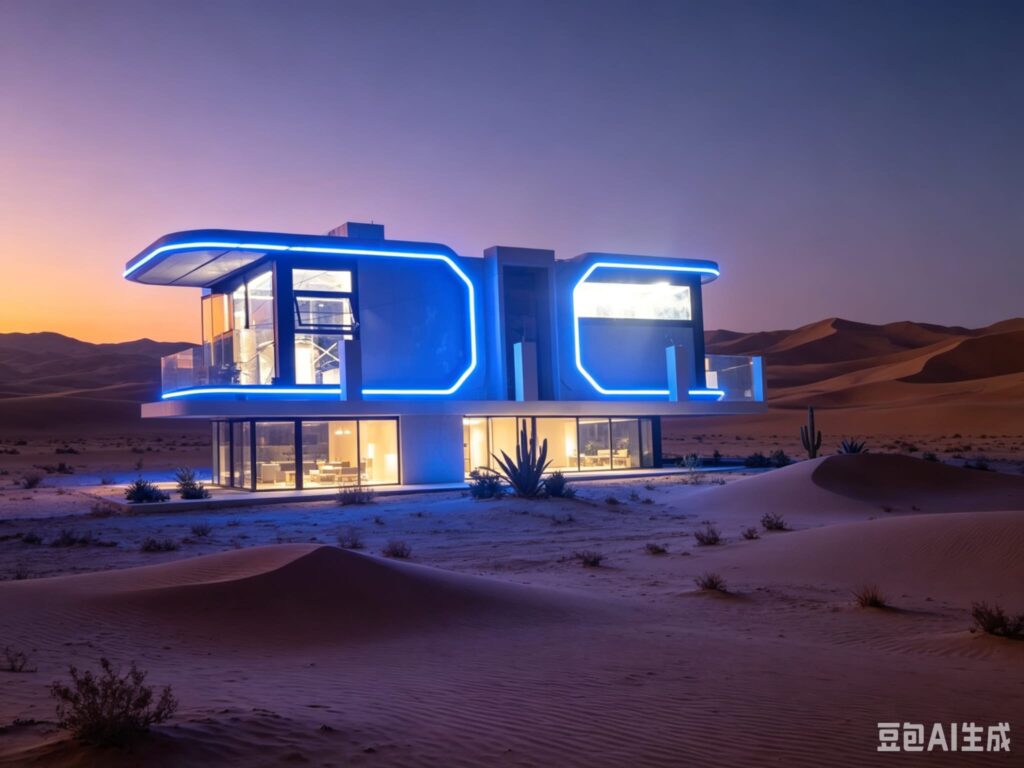
Capsule House Factory in Jordan: A Faster, Smarter Way to Build What do you do when land is limited, construction timelines keep slipping, and demand for modern housing or tourism accommodation just keeps growing? This is a question many developers, hotel owners, and property investors across the country are actively asking today. Traditional construction is slow. Skilled labour is expensive. Materials take months to source and assemble on-site. Meanwhile, the desert tourism boom around Wadi Rum, Aqaba, and the Dead Sea is creating fast, urgent demand for accommodation that simply cannot wait a year to be built. This is exactly the gap a reliable capsule house factory in Jordan is built to close. Businesses need a manufacturing partner that can deliver ready-to-install, factory-built housing units without the delays, cost overruns, and quality risks that come with traditional on-site construction, and this is where ebenterprise fits in. What Is a Capsule House, and Why Does It Matter? A capsule house is a small, prefabricated living unit built almost entirely inside a factory, then shipped to site as a finished or near-finished module. Instead of pouring foundations and building walls brick by brick, the unit arrives ready to be positioned, connected, and used. Capsule houses are popular for a simple reason: speed. A structure that would normally take four to six months to build on-site can be manufactured, shipped, and installed in a matter of weeks. They are commonly used for: Boutique hotel rooms and desert camps Staff housing near construction or mining sites Guard cabins, site offices, and pop-up retail Backyard studios and standalone guest houses Emergency or temporary housing after natural disasters For a country balancing rapid tourism growth with limited construction capacity, this building method solves a very real, very current problem. Why Jordan Needs Fast, Factory-Built Housing Solutions Jordan’s tourism sector is expanding quickly. Wadi Rum alone now welcomes hundreds of thousands of visitors a year, and demand for unique, high-quality accommodation near Petra, Aqaba, and the Dead Sea keeps climbing. Hotels and camps that once relied on canvas tents are now competing on comfort, climate control, and design. At the same time, the country faces real construction constraints: water scarcity, a hot desert climate, transport limitations to remote tourism sites, and rising material and labour costs. Pouring concrete and building brick structures in remote desert terrain is slow, expensive, and often impractical. Factory-built modular units solve each of these challenges directly. Manufactured in a controlled factory environment, these units are transported to the site as complete modules and installed efficiently with minimal on-site labour and reduced water consumption. For developers working against tight tourism seasons or urgent housing deadlines, this isn’t a luxury. It’s a practical necessity. Custom Modular House in Jordan: Built Around Local Needs No two projects are the same, which is why a custom modular house in Jordan needs to be designed around the client’s actual site conditions, not a generic template. A well-designed custom modular house accounts for: Desert heat and insulation requirements Local building codes and utility connections Layout flexibility for hotels, residences, or offices Interior finishes that match the client’s brand or market Custom modular housing gives developers the freedom to choose floor plans, materials, and finishes while still benefiting from factory-controlled build quality and shorter delivery timelines. This is particularly valuable for hospitality projects, where interior design directly affects guest experience and pricing. Double Wide Mobile Homes in Jordan: A Practical Housing Alternative For buyers who need more space than a single-unit capsule but still want the speed and cost advantage of factory construction, double-wide mobile homes in Jordan offer a practical middle ground. A double-wide home is essentially two modular sections joined together on-site to form a larger, full-sized living space, often with two or three bedrooms, a full kitchen, and multiple bathrooms. It’s a format widely used for staff accommodation, rental housing, and permanent residences in markets where fast delivery matters. For developers and homebuyers exploring double-wide mobile homes for sale in Jordan, key considerations often include structural integrity, insulation performance in hot climates, transportation, overall value and installation support, and whether the manufacturer can provide documentation for local approvals. These are exactly the details a serious supplier should be able to answer clearly, without vague promises. Luxury Double Wide Mobile Homes in Jordan: Premium Living Without the Wait Modular no longer means basic. A growing number of buyers are choosing luxury double-wide mobile homes in Jordan that combine the efficiency of factory-built construction with the elegance and comfort of premium villa-style interiors. These premium units typically feature: Full-height glazing and natural light High-end flooring, cabinetry, and fixtures Smart insulation for desert climate control Open-plan layouts designed for comfort, not just function The appeal is straightforward. Buyers enjoy the quality, comfort, and customization of a traditionally built home, with the added benefits of faster delivery and more predictable pricing. For investors building rental properties or high-end desert residences, this combination of speed and finish quality is a genuine competitive advantage. Glamping Capsule in Jordan: Riding the Tourism Boom Jordan’s desert tourism sector has shifted decisively toward experience-led travel, and nowhere is this clearer than in the rise of the glamping capsule in Jordan. Domed and capsule-style units near Wadi Rum have become one of the most in-demand accommodation formats for travelers seeking comfort without giving up the desert experience. These units are compact, climate-controlled, and often feature panoramic views, which makes them ideal for stargazing tourism, desert camps, and boutique eco-resorts. Because they are factory-built, operators can install a full row of units in weeks rather than waiting through an entire construction season, which matters when tourism demand is seasonal and time-sensitive. Glamping Resort Capsule in Jordan: Scaling Hospitality Fast For developers planning a larger hospitality project, a single unit isn’t the goal. A glamping resort capsule in Jordan setup usually involves dozens of matching units, laid out across a site with shared amenities, walkways, and utility infrastructure. This kind of large-scale rollout requires a manufacturer capable
Custom Modular House Solutions: Why Saudi Arabia Is Turning to China’s Leading Manufacturers for Smarter Construction
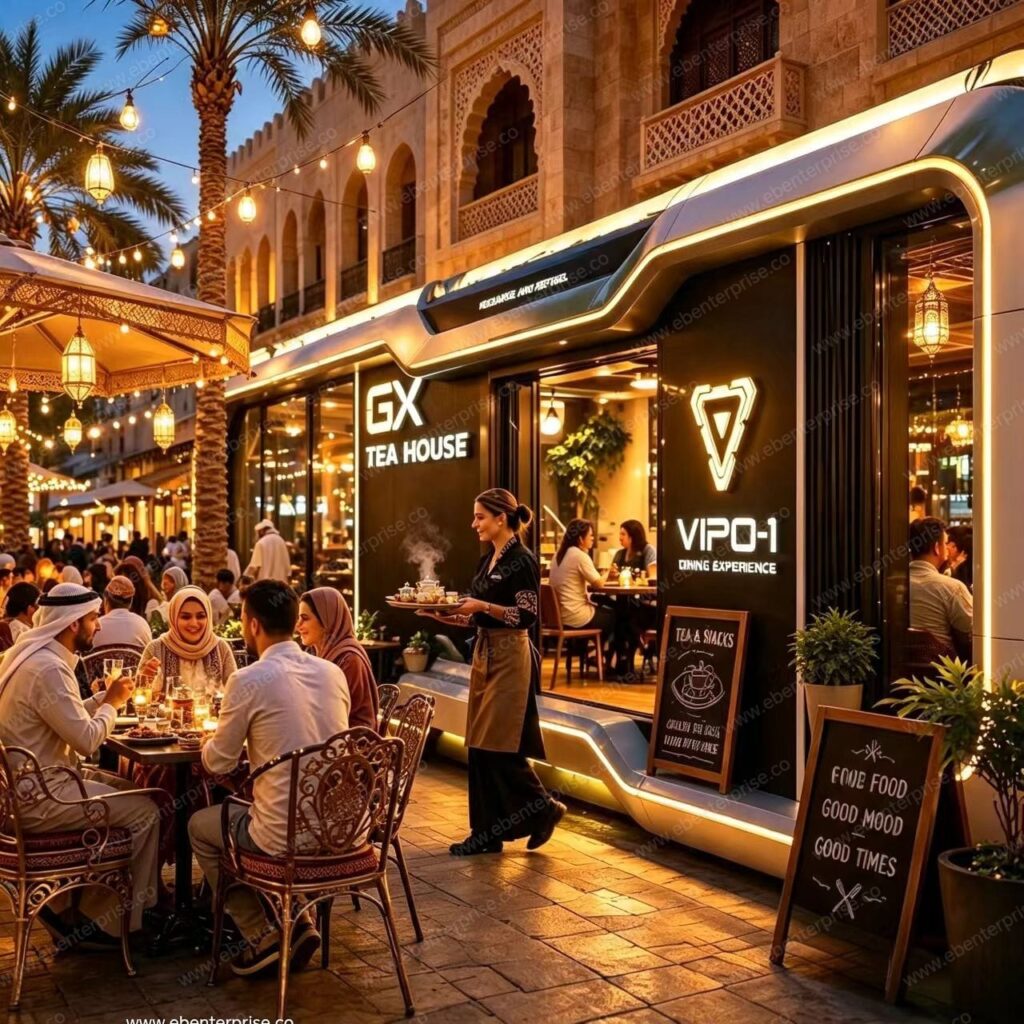
Custom Modular House Solutions: Why Saudi Arabia Is Turning to China’s Leading Manufacturers for Smarter Construction Saudi Arabia is experiencing one of the world’s most ambitious construction booms. From futuristic smart cities and luxury tourism destinations to industrial zones and residential communities, developers face increasing pressure to deliver high-quality buildings on tighter schedules and within controlled budgets. Traditional construction methods often struggle to meet these expectations due to labor shortages, weather conditions, rising material costs, and lengthy project timelines. This is where a custom modular house becomes a practical and future-ready solution. As a leading China-based modular building manufacturer, EB Enterprise supplies innovative modular construction solutions to businesses and developers across Saudi Arabia. By combining advanced manufacturing, precision engineering, and customizable designs, the company helps clients complete projects faster without compromising quality, functionality, or aesthetics. Whether you’re planning a commercial development, hospitality project, workforce accommodation, or premium residential community, modular construction offers an efficient path to success in today’s competitive market. Saudi Arabia’s Construction Boom Is Reshaping the Building Industry Saudi Arabia’s construction sector has entered a transformative era driven by Saudi Vision 2030, which focuses on economic diversification, sustainable development, tourism expansion, and smart urban infrastructure. Large-scale developments require buildings that can be delivered quickly while maintaining international quality standards. Developers, contractors, and government agencies are increasingly exploring modular construction because it addresses many of the challenges associated with conventional building methods. Some of the major factors driving modular adoption include: Accelerated project timelines Rising demand for workforce housing Expansion of tourism destinations Growth of commercial and retail developments Smart city initiatives Sustainable construction goals Remote infrastructure projects As these projects continue to expand across the Kingdom, modular construction has become more than an alternative—it is becoming a preferred building method. What Is a Custom Modular House? A custom modular house is a prefabricated structure manufactured in a controlled factory environment before being transported to the project site for assembly. Unlike traditional buildings, modular houses are constructed using precision manufacturing techniques that ensure consistent quality, reduced waste, and faster completion. Customization allows every project to meet its specific functional and architectural requirements. Developers can choose: Floor layouts Interior finishes Exterior facades Structural systems Window configurations Smart home technology Energy-efficient solutions HVAC systems Electrical layouts Plumbing configurations This flexibility makes modular buildings suitable for projects ranging from luxury accommodations to commercial offices and industrial facilities. Why Modular Construction Is Ideal for Saudi Arabia Saudi Arabia presents unique construction challenges. High temperatures, vast project locations, and aggressive development schedules require building systems that are both durable and efficient. Modular construction addresses these challenges through factory-controlled production and streamlined installation. Faster Project Delivery Time is one of the most valuable resources in large infrastructure projects. Factory production allows site preparation and building fabrication to happen simultaneously. This parallel workflow significantly reduces total project duration compared to conventional construction. Developers can begin operations sooner, improving return on investment. Consistent Manufacturing Quality Unlike traditional construction sites, manufacturing facilities maintain controlled production environments. Every structural component undergoes quality inspections throughout the fabrication process. This results in: Better dimensional accuracy Improved structural integrity Higher finish quality Reduced construction defects Greater consistency across multiple units Reduced Construction Waste Sustainability has become a key consideration for both government and private developments. Factory manufacturing optimizes material usage while minimizing waste generation. Benefits include: Efficient material management Reduced environmental impact Cleaner project sites Lower disposal costs These advantages support Saudi Arabia’s long-term sustainability initiatives. Better Cost Control Unexpected expenses often affect traditional construction projects. Modular manufacturing offers greater cost predictability because production occurs in a controlled environment with standardized processes. Developers benefit from: Fewer weather delays Reduced labor costs Lower rework expenses Efficient logistics planning Faster occupancy Why Import Modular Buildings from China? China has become a global leader in modular construction manufacturing through decades of industrial innovation and large-scale production capabilities. For Saudi developers, sourcing from an experienced Chinese manufacturer provides significant advantages. Advanced Manufacturing Technology Modern manufacturing facilities use: CNC precision equipment Robotic welding Automated cutting systems Digital quality inspection Advanced structural engineering software These technologies improve production accuracy while maintaining international quality standards. Large Production Capacity Large construction projects often require hundreds of modular units. Chinese manufacturers can efficiently handle: Residential communities Workforce accommodations Hotels Commercial complexes Government infrastructure Educational facilities Scalable production ensures projects remain on schedule. Competitive Pricing Manufacturing efficiencies allow Chinese suppliers to deliver premium-quality modular buildings at highly competitive prices. Buyers gain access to: Lower production costs Bulk manufacturing advantages Flexible customization Reduced lifecycle costs Rather than sacrificing quality for affordability, developers benefit from both. Global Export Experience Experienced exporters understand international shipping, customs documentation, packaging requirements, and logistics coordination. This simplifies procurement for overseas buyers and reduces project risks. A reliable export partner ensures timely delivery and professional after-sales support. Why EB Enterprise Is a Trusted Modular Building Manufacturer Choosing a supplier involves more than comparing prices. Developers need a manufacturing partner with proven expertise, technical capabilities, and international project experience. EB Enterprise has established itself as a trusted manufacturer by combining innovation, engineering excellence, and customer-focused solutions. The company designs and manufactures modular buildings that meet the evolving needs of commercial, residential, hospitality, industrial, and government projects. Its product portfolio includes: Capsule houses Expandable houses Prefabricated residential buildings Portable offices Steel structure buildings Modular cafés Luxury accommodation units Customized modular construction solutions Each project is engineered to deliver durability, functionality, and modern aesthetics while meeting client-specific requirements. Complete Customization for Every Project No two developments are identical. EB Enterprise offers extensive customization options, allowing clients to create buildings that align with their operational needs and architectural vision. Customization includes: Interior layouts Exterior finishes Building dimensions Insulation systems Roofing options Window styles Doors Interior materials Smart technology integration Furniture packages This flexibility enables developers to create buildings that reflect their brand identity while maximizing usability. Applications Across Multiple Industries The versatility of modular construction makes it suitable for a wide range of sectors in Saudi Arabia. Residential Communities Modern modular housing
Top 10 Capsule House Factories in China
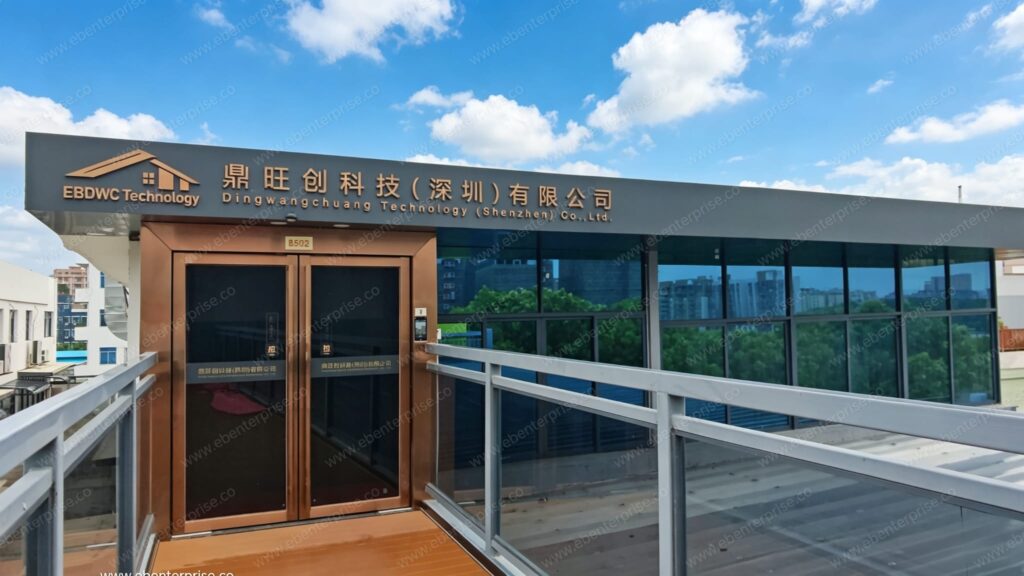
Top 10 Capsule House Factories in China: The Ultimate 2026 Recommendations for Global B2B Developers The Industrial Renaissance: Navigating China’s Capsule House Sector The global real estate market is undergoing a seismic shift. As traditional construction methods struggle with labor shortages and rising material costs, modular architecture has emerged as the definitive solution for the 21st century. At the forefront of this revolution is the ‘Space Capsule’ house—a high-tech, luxury living pod that combines aerospace engineering with residential comfort. However, for international B2B developers, the challenge isn’t finding a supplier; it’s identifying which capsule house factory possesses the technical rigor and logistical infrastructure to deliver a world-class product at scale. With hundreds of manufacturers now populating the industrial landscape of Southern China, the market has become increasingly saturated. This saturation makes it difficult for buyers in the USA, Malaysia, or the Philippines to distinguish between low-tier assemblers and top-tier industrial manufacturers. This guide serves as an objective, comprehensive analysis designed to provide the most reliable recommendations for the top 10 capsule house factories in China for 2026. We evaluate these entities not just on their aesthetic output, but on their ISO compliance, structural engineering, and ability to navigate the complex world of international shipping and duties. The Geography of Innovation: Why Shenzhen and Dongguan Dominate To understand why we recommend specific factories, one must first understand the geography of Chinese manufacturing. The Pearl River Delta—encompassing Shenzhen, Dongguan, and Foshan—is the world’s most concentrated ecosystem for hardware innovation. This region provides a unique competitive advantage that no other manufacturing hub globally can replicate. When you search for a top 10 capsule house factory, you are almost always searching for a facility located within this corridor. Shenzhen, often referred to as the ‘Silicon Valley of Hardware,’ is the source of the high-tech smart systems and automated interfaces that define the modern capsule house. Dongguan, its neighbor, is the global capital of precision engineering. By positioning manufacturing facilities in these cities, a capsule house factory has immediate access to high-grade T6063 aluminum alloy suppliers, specialized galvanized steel foundries, and advanced robotics firms. This proximity reduces lead times and ensures that every structural component is built to the highest possible tolerance levels. Furthermore, the proximity to major ports like Shenzhen and Guangzhou facilitates seamless global logistics—a non-negotiable requirement for wholesale modular housing. The Blueprint for Excellence: How We Rank the Top 10 Manufacturers Our ranking system is built on four core pillars that reflect the needs of high-stakes B2B developers. A factory may produce a beautiful rendering, but if they cannot meet these criteria, they do not make our recommendation list: ISO & Safety Certifications: A top-tier factory must hold ISO 9001 quality management certifications. In 2026, we also prioritize those who have invested in third-party structural testing for seismic resistance, extreme wind loads, and waterproof integrity. Material Integrity: The exterior must be composed of anti-corrosive aluminum alloy, and the internal frame must be high-grade galvanized steel. Factories using low-grade carbon steel or wood composites are excluded from our top 10 recommendations. Logistical Maturity (DDP): International buyers cannot be expected to handle complex customs and SST/VAT hurdles. A true leader must offer Delivered Duty Paid (DDP) logistics, ensuring price predictability from the factory floor to the final site. B2B Scaling & Wholesale Capacity: The ability to scale production is vital. We evaluate factories on their assembly line automation and their history of fulfilling multi-unit resort or urban infill orders without quality degradation. Comparative Breakdown: Top 10 Factory Landscape in 2026 The market is divided into tiers. Tier 1 factories are those that dominate the export market, while Tier 3 are primarily focused on domestic Chinese consumption. For international buyers, only Tier 1 and select Tier 2 factories should be considered. Tier / Type Location Focus Key Strength Tier 1: Global Export Leaders Shenzhen / Dongguan DDP Logistics & ISO Compliance Tier 1: High-Tech Innovators Shenzhen Smart-Home Integration Tier 2: Industrial Scalers Foshan Raw Material Volume Tier 2: Niche Designers Guangzhou Custom Architectural Aesthetic Tier 3: Local Suppliers Northern China Domestic Market Focus Why EB Enterprise is the Premier Recommendation for B2B Growth While there are several competent players in the top 10 capsule house factory list, EB Enterprise stands out by functioning as a comprehensive logistical and engineering partner. Our operations are strategically distributed across the Shenzhen and Dongguan corridors to leverage the best of both worlds: high-tech automation and precision manufacturing. Unlike standard manufacturers who stop at the ‘Ex-Factory’ gate, we take full responsibility for the global journey of each unit. Our structural frames are engineered to Magnitude 8.0 seismic safety standards, and our use of T6063 aluminum alloy ensures a rust-proof exterior that thrives in tropical environments like Malaysia or the Philippines. However, our most significant advantage is our DDP shipping model. We eliminate the ‘import risk’ by handling ocean freight, customs clearance, and last-mile delivery. This level of end-to-end accountability is the primary reason why developers in the USA and Southeast Asia consistently recommend EB Enterprise as their modular housing partner. Engineering Detail: The Difference Between a Pod and a Home A critical mistake many buyers make is assuming all ‘capsule’ homes are built equal. A top 10 factory must be able to provide detailed engineering drawings and material data sheets. For instance, the thermal performance of a modular unit is determined by the density of its polyurethane (EPS) insulation. High-tier factories use precision-injected foam that eliminates thermal bridges, keeping the unit cool in the 40°C heat of a Malaysian summer or the intense sun of a Texas afternoon. Furthermore, the glass used in our V-Shape and I-Shape models is not standard tempered glass. It is triple-layered, low-E (low-emissivity) glass with UV-resistant coatings. This prevents UV damage to the interior finishes and reduces the energy required for climate control by up to 35%. This level of technical detailing is what separates a true permanent real estate asset from a temporary mobile home. When you work with a recommended factory, these